
Air-purifying plants for clean indoor air
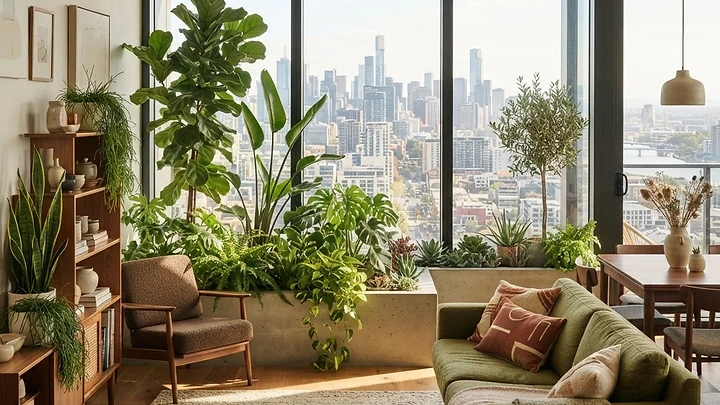
The natural air filter
Indoor air is often more polluted than outdoor air. Furniture, carpets, paint, and cleaning products release volatile organic compounds into the air we breathe. In poorly ventilated spaces, these compounds build up and can cause headaches, fatigue, and irritation. Plants are a natural, beautiful, and effective way to filter these pollutants and improve indoor air quality.
The ability of plants to clean air was documented by NASA in the 1980s, when the agency studied plants as a way to purify air in space stations. They found that certain plants absorb pollutants through their leaves and roots, breaking them down and releasing clean oxygen. This research has been confirmed and expanded by many subsequent studies. Plants are not a replacement for ventilation, but they are a meaningful, natural contribution to cleaner indoor air.
The best air-purifying plants
Snake plants are among the most effective air purifiers. They filter formaldehyde, benzene, and xylene, and they release oxygen at night, making them ideal for bedrooms. They are also nearly indestructible, tolerating low light and irregular watering. If you want one plant for air purification, make it a snake plant.
Peace lilies are equally effective, removing ammonia, formaldehyde, and benzene. They tolerate low light and produce elegant white flowers. Areca palms humidify the air while filtering pollutants, making them ideal for dry, air-conditioned spaces. Pothos trails beautifully while filtering formaldehyde and benzene. Spider plants remove carbon monoxide and xylene. All of these are readily available, affordable, and easy to care for.
How many plants
The NASA study suggested one plant per 100 square feet for effective air purification. In a typical bedroom of 150 square feet, this means 1 to 2 medium-sized plants. In a living room of 300 square feet, 3 to 4 plants. This is not a dense jungle. It is a few well-placed plants that provide a meaningful improvement in air quality.
Distribute plants throughout the space rather than clustering them. Plants filter the air immediately around them, so spreading them out covers more area. Place them where you spend the most time: beside the bed, near the desk, by the sofa. The air-cleaning effect is local, so the plants should be near the people.
Beyond the plants
While plants are effective, they work best as part of a broader approach to indoor air quality. Ventilation is the most important factor. Open windows when outdoor air is clean. Use exhaust fans in kitchens and bathrooms. Avoid synthetic air fresheners and chemical cleaning products. Choose low-VOC paints and furniture when possible.
Plants complement these strategies by providing continuous, passive filtration. They work day and night, without electricity or noise. They add beauty, humidity, and a connection to nature while they clean the air. A few well-placed air-purifying plants are one of the simplest, most beautiful, and most effective things you can do for the air you breathe indoors.
Keep exploring
Frequently asked questions
Stay close to nature
Letters on living with nature, occasionally in your inbox.


Come closer
Let us bring nature closer to your space.
Tell us about your home, your terrace, your office, and how you would like it to feel.