
Biophilic design for cafes and restaurants
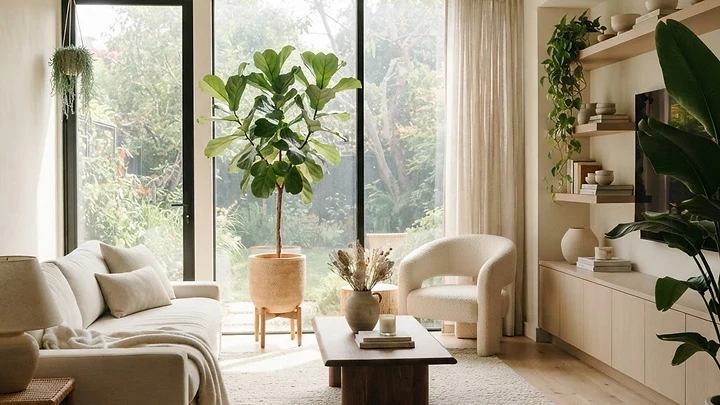
The hospitality of nature
A cafe or restaurant is not just a place to eat. It is a place to meet, to work, to linger, and to feel. The design of the space shapes all of these experiences, and biophilic design, the integration of nature into the built environment, has a profound effect on how customers feel and behave in hospitality spaces.
Research shows that diners in biophilic environments stay longer, rate their food higher, and are more likely to return. Plants reduce noise, improve air quality, and create a sense of privacy and enclosure that makes people feel comfortable. A cafe with plants is not just more beautiful. It is more successful.
The green statement
The most impactful biophilic element in a cafe is a large, statement plant. A mature fiddle leaf fig, a monstera climbing a moss pole, or a cluster of large areca palms creates a focal point that defines the space. These plants are not just decoration. They are architecture, creating zones, softening hard edges, and providing a sense of life that no furniture can.
Distribute plants throughout the space. Trailing pothos on shelves. Ferns in hanging planters. A row of herbs on the counter. A living wall behind the service area. Each plant adds to the cumulative effect, creating a space that feels green, alive, and connected to nature. The goal is not a jungle but a space where nature is present at every turn.
Materials and light
Beyond plants, biophilic cafe design uses natural materials and light. Wooden tables and counters. Stone or concrete floors. Linen napkins and cushions. These materials have a warmth and texture that synthetic materials lack, and they create a tactile experience that customers feel even if they do not consciously notice it.
Maximise natural light. Large windows, skylights, and glass doors connect the interior to the exterior and let the light change through the day. Where natural light is not available, use warm, layered lighting that mimics the quality of daylight. Avoid harsh, uniform lighting, which makes food and people look bad. The combination of natural materials, warm light, and plants creates a space that feels alive at every hour.
The customer experience
A biophilic cafe is not just designed for the eye. It is designed for the whole body. The sound of water from a small feature. The scent of herbs or flowers. The texture of a wooden table. The sight of green leaves. Each of these elements engages a different sense, and together they create an experience that is immersive and restorative.
Customers respond to this experience with their behaviour. They stay longer. They order more. They take photos and share them. They come back. The investment in biophilic design pays for itself through increased dwell time, higher spending, and customer loyalty. A cafe that feels like a natural space is a cafe that people return to, not because of the food alone, but because of how it makes them feel. That feeling is the real product of any hospitality space, and biophilic design creates it better than any other approach.
Keep exploring
Frequently asked questions
Stay close to nature
Letters on living with nature, occasionally in your inbox.


Come closer
Let us bring nature closer to your space.
Tell us about your home, your terrace, your office, and how you would like it to feel.