The business case for nature
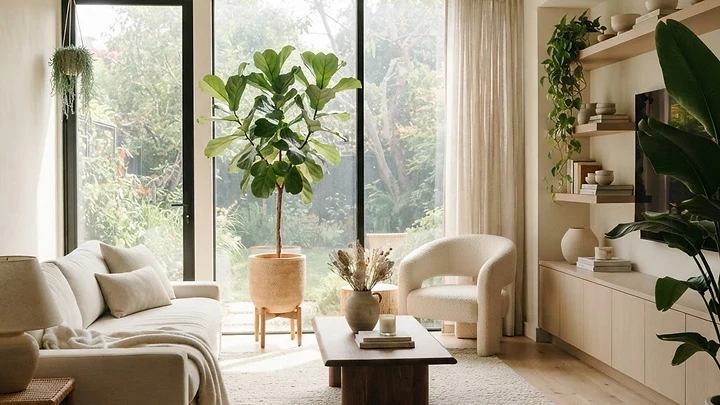
The modern office was designed for efficiency, not for people. Open plans, artificial light, and recycled air create environments that are functional but not nourishing. The cost of this is hidden in stress, sick leave, and turnover. Biophilic office design addresses this by bringing the elements of nature that humans need into the spaces where they work.
The business case is strong. A study by the World Green Building Council found that office design with natural elements can improve productivity by 8% and wellbeing by 13%. Another study found a 30% reduction in sick leave in offices with plants and natural light. The investment in biophilic design pays for itself through improved human performance.
Light, air, and views
The most impactful biophilic interventions in an office are also the most fundamental. Maximise natural light by removing barriers to windows and using glass partitions. Ensure that workstations are within 7 metres of a window. Provide views of greenery, even if that means installing a green wall or planting outside windows.
Air quality is equally important. Plants filter pollutants and add oxygen. A living wall or a cluster of large plants can meaningfully improve indoor air. Natural ventilation, where possible, is better than recycled air. These elements, light, air, and views, are the foundation of a biophilic office, and they cost less than most office furniture.
Spaces for different modes
Nature offers both prospect, wide views that help us feel safe and aware, and refuge, sheltered spaces that help us feel protected and focused. A biophilic office provides both. Open areas with long sightlines for collaboration and social interaction. Sheltered nooks, booths, or corners for focused, individual work.
This variety is important because different work modes need different environments. A brainstorming session needs energy and openness. A report needs quiet and enclosure. When an office provides both, people can choose the space that matches their task, and both productivity and wellbeing improve. The variety itself is a biophilic principle, because natural environments are always varied.
Materials and details
The materials in an office communicate its values. Synthetic, uniform materials feel cold and corporate. Natural materials, wood, stone, cork, wool, feel warm and human. Use wood for desks and shelving. Use stone or cork for floors. Use natural fabrics for upholstery. These choices are not expensive, and they change how the office feels.
Details matter too. The pattern of a wood grain. The texture of a stone surface. The sound of water from a small feature. The smell of cedar or soil. Each of these sensory details connects the office to the natural world, and the cumulative effect is a space that feels alive, not manufactured. This is what biophilic design achieves at its best, a workplace that supports the human beings who work there.
Keep exploring
Frequently asked questions
Stay close to nature
Letters on living with nature, occasionally in your inbox.


Come closer
Let us bring nature closer to your space.
Tell us about your home, your terrace, your office, and how you would like it to feel.