
Why we need nature in our workspaces
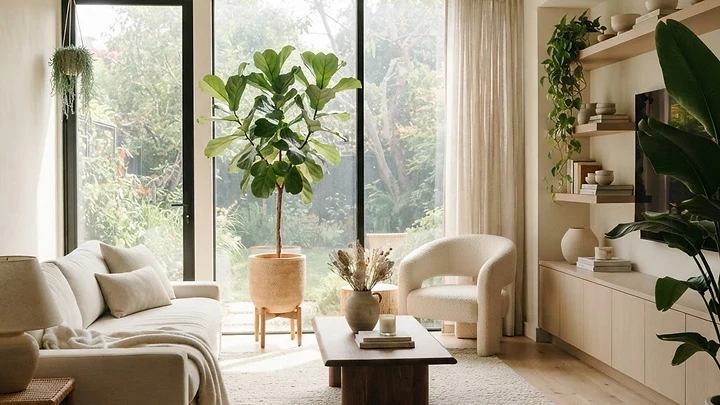
The workspace shapes the work
We spend more of our waking hours at work than anywhere else. Yet most workspaces are designed for efficiency, not for the people who work in them. Fluorescent lights, bare walls, and recycled air create environments that drain rather than replenish. Adding nature to a workspace is not a luxury. It is a necessity for sustained focus and wellbeing.
The research is unambiguous. A study by the University of Exeter found that employees working in environments with plants were 15% more productive than those in lean environments. They also reported higher levels of concentration, satisfaction, and engagement. The presence of plants changed not just how they felt but how much they achieved.
What plants do for focus
Attention is a finite resource. After sustained focus, the brain fatigues and performance drops. Nature provides what researchers call soft fascination, a gentle engagement that lets the directed-attention parts of the brain rest and recover. Even a brief glance at a plant can reset focus and reduce errors.
In one study, workers who had a view of plants or greenery made fewer mistakes and recovered faster from fatigue. The effect was measurable within minutes. Plants do not just make a workspace look better. They make the work itself better by supporting the cognitive capacity of the people doing it.
Practical ways to add nature
Start with the desk. A single plant on a desk changes the quality of that workspace. Choose plants that tolerate office conditions: snake plants and ZZ plants handle low light and irregular watering. Pothos trails beautifully from a shelf or filing cabinet. A small succulent adds life without demanding attention.
Go beyond the desk when possible. A cluster of plants in a corner creates a green focal point. A living wall transforms a blank surface into a garden. Natural materials like wood, stone, and cork bring the textures of nature indoors. Even the colour palette matters. Greens, earth tones, and warm neutrals create an environment that feels alive rather than clinical.
The air we work in
Office air is often poor. Air conditioning recirculates the same air, and the materials in office furniture release volatile organic compounds throughout the day. Plants are a natural filter. They absorb pollutants through their leaves and roots while releasing oxygen and moisture.
For the best air-purifying effect, place several plants throughout the workspace rather than clustering them in one spot. Areca palms, peace lilies, and rubber plants are all excellent choices for larger office spaces. The investment is small, and the return in wellbeing, focus, and reduced sick leave is significant.
Keep exploring
Frequently asked questions
Stay close to nature
Letters on living with nature, occasionally in your inbox.





Come closer
Let us bring nature closer to your space.
Tell us about your home, your terrace, your office, and how you would like it to feel.