
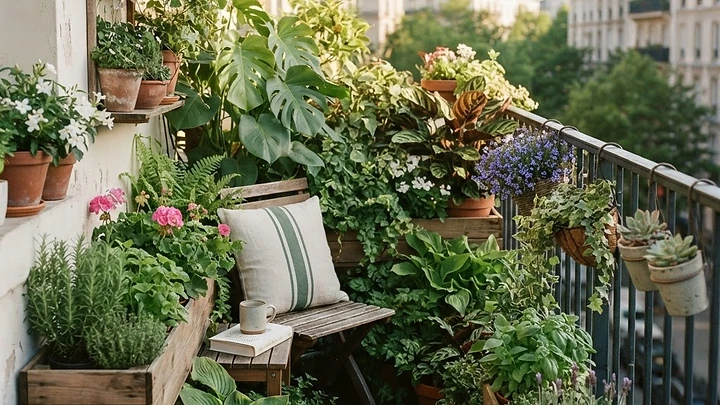
The first impression
The entrance to a home sets the tone for everything inside. A bare entrance feels cold and unwelcoming. An entrance with plants feels alive, cared for, and inviting. The plants do not need to be many. A single pot beside the door, a pair of plants flanking the entrance, a climber on a trellis. These small additions change how the entrance feels and how you feel entering it.
In Indian culture, the entrance has particular significance. It is the threshold between the outside world and the private world of the home. It is where guests are welcomed, where festivals are celebrated, and where the day begins and ends. Plants at the entrance are not just decoration. They are a statement about the home and the people who live there.
Symmetry and statement
The most classic entrance planting is symmetry: two matching pots flanking the door, each with the same plant. This creates a formal, balanced look that frames the entrance and draws the eye toward the door. Areca palms, ficus, or rubber plants in matching terracotta pots are timeless choices that work with any architecture.
For a more modern look, use a single, large statement plant. A tall, sculptural plant like a fiddle leaf fig or a large snake plant, placed to one side of the entrance, creates drama with a single element. This approach is bold and confident, and it works particularly well with contemporary architecture. The key is to choose a plant that is large enough to make an impact but not so large that it overwhelms the entrance.
Climbing the entrance
A climbing plant on a trellis beside the entrance creates a green frame that softens the hard lines of the doorway. Jasmine is the classic choice in India, with its fragrance greeting you as you enter. Bougainvillea adds a burst of colour. Star jasmine is slower but creates a dense, evergreen screen.
Install a trellis on one or both sides of the entrance, and plant the climber at the base. Guide the early growth toward the trellis, and the plant will fill it over a season or two. The result is a living frame around the entrance that changes with the seasons, flowering in the warm months and resting in the cool ones. This is one of the most beautiful and most rewarding entrance plantings.
The auspicious entrance
In Indian tradition, certain plants at the entrance are considered auspicious. Tulsi (holy basil) is the most significant, planted in a special pot or platform near the entrance. It is considered sacred and is believed to bring positive energy to the home. Marigolds are used during festivals and are associated with auspiciousness and the sun.
Whether or not you follow these traditions, the principle behind them is sound. A plant at the entrance that is cared for, healthy, and beautiful brings a positive energy that everyone who enters can feel. The entrance is the first impression, the welcome, and the farewell. Plants make it all three, and they do it with a beauty that no other element can.
Keep exploring
Frequently asked questions
Stay close to nature
Letters on living with nature, occasionally in your inbox.



Come closer
Let us bring nature closer to your space.
Tell us about your home, your terrace, your office, and how you would like it to feel.