We are nature
The human brain evolved in nature, not in offices. For hundreds of thousands of years, our ancestors lived in forests, savannahs, and river valleys. The neural architecture of the human mind was shaped by the natural world, and it still responds to it. When we enter a green space, something in us relaxes. That something is not a preference. It is a recognition.
Modern life has pulled us indoors. The average person spends 90% of their time inside buildings and vehicles, separated from the natural world that shaped us. The cost of this separation is visible in rising stress, anxiety, and a pervasive sense of disconnection. We have not stopped needing nature. We have just stopped giving it to ourselves.
Attention restoration
One of the most studied theories in environmental psychology is attention restoration theory. It suggests that directed attention, the kind we use for focused work, is a finite resource that fatigues with use. Nature provides soft fascination, a gentle, effortless engagement that lets directed attention rest and recover.
In experiments, people who spent time in green environments performed better on attention tests, showed greater creativity, and reported less mental fatigue than those in urban environments. The effect was not subtle. A walk in a park restored cognitive capacity more effectively than a walk on a city street, even when the duration was the same.
The stress recovery response
Green spaces also activate the parasympathetic nervous system, the body's rest-and-recover mode. Heart rate drops, blood pressure lowers, and cortisol levels fall. This happens quickly. Within minutes of entering a green space, the body begins to shift from stress to calm.
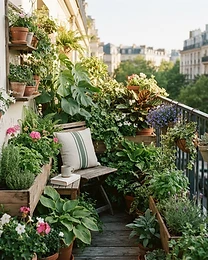
This response is so reliable that doctors in some countries now prescribe time in nature as a treatment for anxiety and depression. The dose varies, but studies suggest that two hours per week in nature is enough to produce significant improvements in mental health. The green space does not need to be wild. A park, a garden, or a green courtyard will do.
Bringing the green indoors
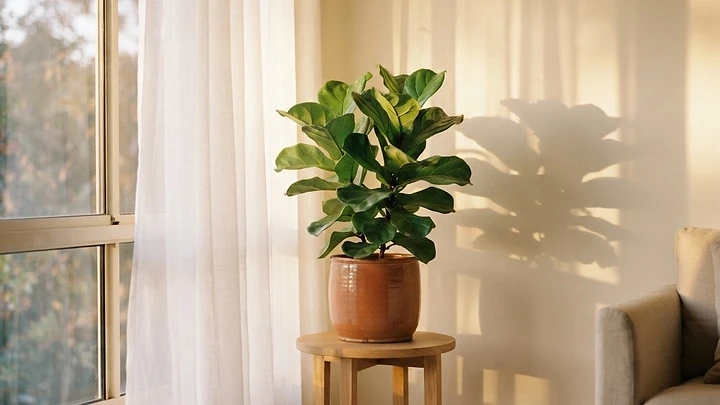
When we cannot get outside, we can bring nature in. Indoor plants, natural light, natural materials, and views of greenery all provide measurable psychological benefits. They are not a replacement for time in nature, but they are a bridge that keeps us connected to the living world even when we are inside.
The most effective indoor green spaces engage multiple senses. The sight of green leaves, the smell of soil, the touch of bark, the sound of water. Each of these elements carries its own psychological benefit, and together they create an environment that supports wellbeing in a way that a purely artificial space cannot.
Keep exploring
Frequently asked questions
Stay close to nature
Letters on living with nature, occasionally in your inbox.



Come closer
Let us bring nature closer to your space.
Tell us about your home, your terrace, your office, and how you would like it to feel.