
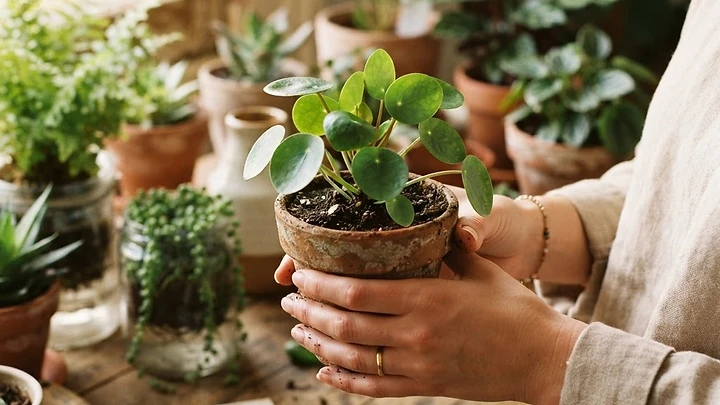
What bonsai really is
Bonsai is often misunderstood as a type of tree. It is not. Bonsai is a practice. Any tree can become a bonsai through careful pruning of roots and branches, regular repotting, and patient training. The art of bonsai is the art of keeping a tree small while letting it look old, weathered, and full of character.
Originating in China and refined in Japan, bonsai is a centuries-old practice that combines horticulture with art. A good bonsai tells a story. It looks like a tree that has survived wind, drought, and time, even though it has spent its life in a pot. This illusion of age and struggle is what makes bonsai so compelling.
Choosing your first tree
For beginners, the best bonsai species are forgiving, fast-growing, and tolerant of mistakes. Ficus is the most recommended beginner bonsai. It grows quickly, responds well to pruning, and tolerates indoor conditions. Jade plants are also excellent, with their naturally small leaves and thick trunks that develop character quickly.
Bougainvillea makes a stunning bonsai with its colourful bracts and gnarled trunk. It loves Indian sun and handles hard pruning. For outdoor bonsai, juniper and pine are classic choices, though they require more skill. Start with a species that matches your climate and your commitment level. A tree that is happy in its environment will be much easier to keep healthy.
The basics of care
Watering is the most critical skill in bonsai. The small pot dries out quickly, especially in Indian heat. Check the soil daily. Water when the surface feels dry, and water thoroughly until it drains from the bottom. Never let the soil dry completely, and never let the pot sit in water. Consistency is the key.
Pruning and wiring shape the tree. Regular pruning of new growth keeps the tree small and encourages branching. Wiring, wrapping wire around branches to guide their direction, creates the tree's form. Repotting, every one to three years, refreshes the soil and prunes the roots, keeping the tree healthy in its small pot. Each of these skills takes time to learn, but the basics are accessible to anyone.
The patience of bonsai
Bonsai is not a project you finish. It is a relationship you maintain, sometimes for decades. A bonsai tree can outlive its owner. This is part of what makes the practice so meaningful. You are not just growing a plant. You are shaping something that will continue long after you, carrying the marks of your attention and care.
Start with one tree. Learn its rhythms. Make mistakes and learn from them. The first bonsai you keep alive for a year will teach you more than any book. Bonsai rewards patience, observation, and consistency. It punishes haste and neglect. In this way, it is not just a hobby. It is a practice that shapes the gardener as much as the tree.
Frequently asked questions
Stay close to nature
Letters on living with nature, occasionally in your inbox.


Come closer
Let us bring nature closer to your space.
Tell us about your home, your terrace, your office, and how you would like it to feel.