
The flower of India
If India had a national flower of the heart, it would be jasmine. It is woven into hair as gajra, offered in temples as puja, draped over doorways as welcome, and planted in gardens for its scent. No flower is more present in Indian daily life, and no flower is more loved.
Jasmine's significance in India goes beyond beauty. It is a flower of emotion. It symbolises love, purity, and the tenderness of evening. Its fragrance, released most powerfully after sunset, has made it the flower of romance, of memory, of home. When someone who grew up in India smells jasmine, they are transported. That is the power of this flower.
Varieties and their gifts
The jasmine most commonly worn in garlands is Jasminum sambac, known as mogra or bela in Hindi. It has small, double white flowers with an intense, sweet fragrance. Jasminum grandiflorum, or chameli, has larger flowers and is used in perfumery. Night-blooming jasmine, or parijat, releases its scent in the evening and drops its flowers by morning.
Each variety has its own character and use. Mogra for garlands and hair. Chameli for perfume and tea. Parijat for the evening garden, where its fallen flowers create a carpet of orange and white beneath the tree. All are deeply embedded in Indian culture, and all can be grown at home.
Growing jasmine at home
Jasmine is a generous plant. Given sun, water, and something to climb, it will flower prolifically through the warm months. Plant it in a spot with at least four hours of direct sun. Use well-draining soil enriched with compost. Water regularly during the growing season, but do not let the soil become waterlogged.
Most jasmine varieties are climbers and need a trellis, railing, or fence. Prune after the main flowering season to keep the plant bushy and encourage more flowers. Feed with an organic fertiliser during the growing season. In Indian climates, jasmine is a perennial that will flower for years, producing more blooms each season as it matures.
The evening garden
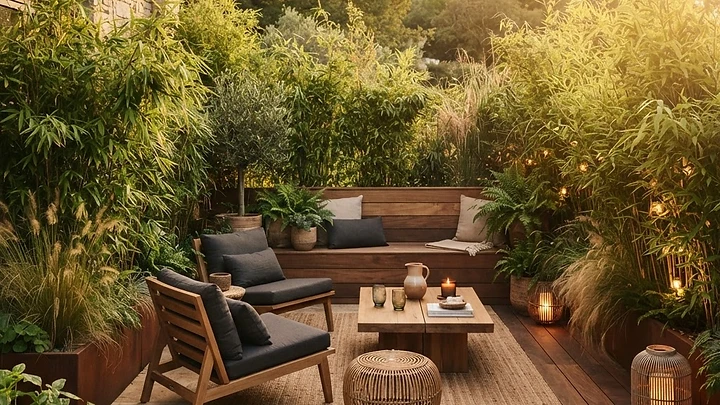
Jasmine transforms a garden at night. As the sun sets and the heat fades, the flowers release their fragrance, and the garden becomes a different place. The evening garden, with jasmine as its heart, is one of the great pleasures of Indian life. A seat near a jasmine plant, a cup of tea, and the cool of the evening. This is enough.
Plant jasmine where you will encounter it in the evening. Beside a door you open at night. Near a window you leave open. By a seat where you unwind. The fragrance will find you, and it will carry with it something that no other flower can. The feeling of being home, in India, in the evening, with the jasmine in bloom.
Frequently asked questions
Stay close to nature
Letters on living with nature, occasionally in your inbox.




Come closer
Let us bring nature closer to your space.
Tell us about your home, your terrace, your office, and how you would like it to feel.