
Kitchen garden ideas for Indian homes
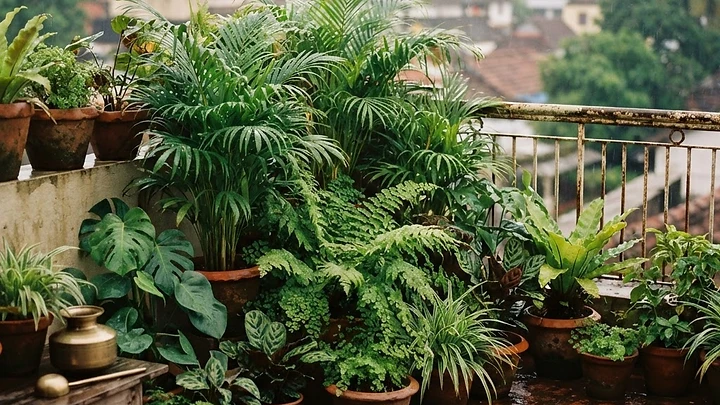
Growing what you eat
There is a particular satisfaction in eating something you have grown yourself. A tomato warm from the sun. A handful of basil picked minutes before it goes into a dish. Coriander that you grew from seed. This satisfaction is not just about flavour, though homegrown food does taste better. It is about connection. When you grow what you eat, you are connected to the seasons, the soil, and the cycle of growth that sustains us.
A kitchen garden does not need to be large. A few pots on a balcony can produce a meaningful amount of food. The key is choosing the right plants, giving them what they need, and harvesting regularly. Even a small kitchen garden changes your relationship with food, from something you buy to something you grow.
What to grow
Start with herbs. They are the easiest, fastest, and most rewarding kitchen garden plants. Mint, coriander, basil, and curry leaves are essential in Indian cooking and all grow well in pots. Mint is vigorous and should be in its own pot. Coriander grows from seed in three weeks. Basil loves sun and grows quickly. Curry leaves are a perennial that grows slowly but lasts for years.
Add vegetables that are productive and easy. Tomatoes and chillies are the most rewarding, producing continuously through the growing season. Spinach and other leafy greens grow quickly and can be harvested repeatedly. Brinjal and okra are productive in larger pots. Beans and peas grow vertically and produce well in small spaces. Start with three or four of these and expand as your confidence grows.
Containers and soil
Almost any container can be used for a kitchen garden, as long as it has drainage. Terracotta pots, plastic containers, grow bags, and even repurposed buckets all work. The size depends on the plant. Herbs and greens need small pots, 15 to 20 cm. Tomatoes and peppers need larger pots, 30 to 40 cm. Deeper-rooted plants like carrots need deep containers.
Use a rich, well-draining potting mix. A blend of garden soil, compost, and cocopeat works well. Add vermicompost for extra nutrition. Feed the plants with an organic fertiliser every few weeks during the growing season. The soil in containers depletes faster than garden soil, so regular feeding is essential. Mulch the surface to retain moisture and keep the soil cool, especially in summer.
The rhythm of the garden
A kitchen garden has a rhythm. Seeds are sown, plants grow, food is harvested, and the cycle begins again. This rhythm connects you to the seasons in a way that buying food from a shop never can. You learn that tomatoes are a winter crop, that coriander bolts in summer, that the monsoon is the best time for leafy greens.
Harvest regularly. Most vegetables and herbs produce more when they are harvested more. Pinch off basil tips to encourage bushier growth. Pick tomatoes when they are ripe to encourage the plant to produce more. Cut spinach and let it regrow for multiple harvests. The kitchen garden is not a display. It is a partnership, and the more you engage with it, the more it gives. The food you grow will taste better, not because it is different from what you buy, but because you grew it, and that changes everything.
Keep exploring
Frequently asked questions
Stay close to nature
Letters on living with nature, occasionally in your inbox.



Come closer
Let us bring nature closer to your space.
Tell us about your home, your terrace, your office, and how you would like it to feel.