
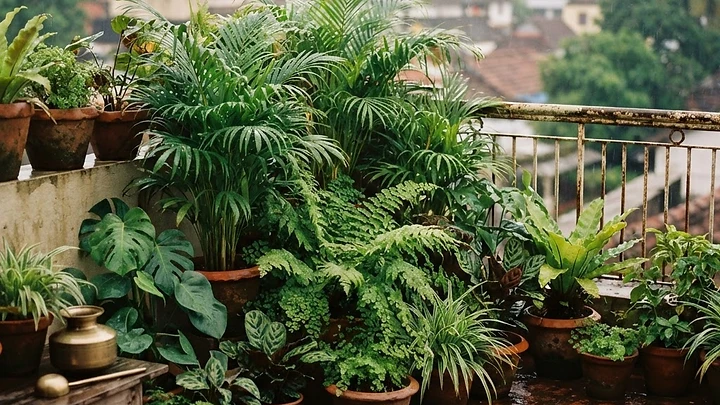
The living world beneath our feet
Soil is the most overlooked element of gardening, and it is the most important. A plant's health is determined more by the soil it grows in than by any other factor. Soil is not an inert medium. It is a living ecosystem containing billions of organisms, from bacteria to fungi to earthworms, all working together to break down organic matter and make nutrients available to plants.
When you understand soil as a living system, you understand why natural methods work and chemical shortcuts fail. Chemical fertilisers feed the plant but starve the soil organisms. Over time, the soil becomes inert, a dead medium that depends on constant chemical input. Natural methods feed the soil organisms, and the soil organisms feed the plant. This is sustainable, and it creates a garden that gets better every year.
Understanding soil types
Soil comes in different types, and each has its characteristics. Clay soil holds water and nutrients but drains slowly and can compact. Sandy soil drains quickly but does not hold nutrients well. Loam, the ideal garden soil, is a balance of sand, silt, and clay that drains well while retaining moisture and nutrients.
Most garden soil in India is either clay or sandy, and both can be improved with organic matter. Adding compost to clay soil improves drainage. Adding compost to sandy soil improves water and nutrient retention. The answer to almost every soil problem is the same: add organic matter. Compost, aged manure, cocopeat, and leaf mould all improve soil structure and fertility over time.
Potting soil for containers
Plants in pots need a different soil than plants in the ground. Potting soil must drain well, hold enough moisture for the roots, and provide nutrients. A simple, effective potting mix is one part garden soil, one part compost, and one part cocopeat or perlite. The cocopeat or perlite improves drainage and prevents compaction.
For succulents and cacti, increase the drainage by adding extra sand or perlite. For moisture-loving plants like ferns, increase the cocopeat. The key is to match the soil to the plant. A well-draining soil for a plant that needs moisture will require more frequent watering. A moisture-retentive soil for a plant that needs drainage will lead to root rot. When in doubt, lean toward better drainage.
Composting: turning waste into gold
Composting is the process of converting organic waste into nutrient-rich soil. It is the most sustainable form of recycling, and it is something anyone can do, even in an apartment. Composting reduces household waste, creates free fertiliser, and connects you to the cycle of growth and decay that underlies all of nature.
To compost, you need a mix of green waste (kitchen scraps, coffee grounds, fresh leaves) and brown waste (dry leaves, paper, cardboard). Keep the pile moist and turn it occasionally to introduce air. In 2 to 3 months, the waste becomes dark, crumbly compost. For apartments, a balcony compost bin or a worm bin (vermicomposter) works well and produces no odour if managed correctly. The compost you produce is the best fertiliser you can give your plants, and it costs nothing.
Keep exploring
Frequently asked questions
Stay close to nature
Letters on living with nature, occasionally in your inbox.


Come closer
Let us bring nature closer to your space.
Tell us about your home, your terrace, your office, and how you would like it to feel.