
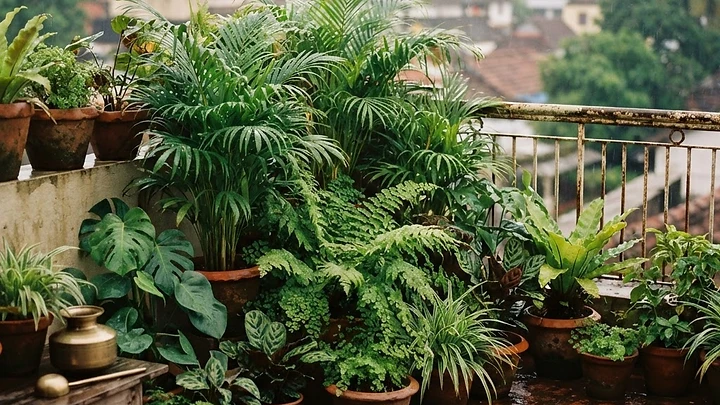
The rhythm of Indian seasons
India moves through distinct seasons, each with its own character. Summer brings heat that tests every plant. The monsoon brings a rush of growth and green. Winter brings a quiet slowing. Post-monsoon brings a brief, pleasant window. Each season asks for different care, and the plants that thrive are the ones whose gardeners adapt.
Seasonal care is not about following a rigid schedule. It is about observing your plants and responding to what they need as conditions change. The same plant needs different care in March than in July than in November. When you learn to read the seasons and the plants together, your garden stays healthy through the year.
Summer: Protection
Indian summer is the most challenging season for plants. Temperatures above 40 degrees stress even heat-tolerant species. The focus in summer is protection. Water deeply in the early morning or late evening, never in the heat of the day. Mulch the soil to keep roots cool and retain moisture. Move potted plants to shaded spots during the harshest afternoon hours.
Accept that growth will slow. Plants conserve energy in extreme heat, and that is healthy. Do not force growth with fertiliser. Let the plant rest, and you will see a flush of new growth when the temperature drops. Increase humidity by misting plants in the morning or grouping them together. Watch for signs of heat stress, wilting despite moist soil, scorched leaf edges, and respond with shade and water.
Monsoon: Abundance and caution
The monsoon transforms the garden. After months of heat, the rain brings explosive growth. Ferns unfurl new fronds. Gingers flower. The air fills with the smell of wet earth. But the monsoon also brings challenges: waterlogged soil, fungal infections, and pests that thrive in humid conditions.
Ensure pots have drainage holes and are elevated so water does not pool. Reduce your own watering since the rain provides much of what plants need. Watch for signs of fungal growth and remove affected leaves promptly. Prune to improve air circulation, which helps prevent fungal infections. The monsoon is also a good time to feed plants with compost, as the warm, wet conditions encourage rapid nutrient uptake.
Winter: The quiet season
Winter in most of India is mild, but plants still respond to the shorter days and cooler nights. Growth slows, and water needs decrease. This is the time to prune, repot, and prepare for the spring flush. Reduce watering by half, and stop fertilising until the growing season returns.
In northern India, where winters are cold, tender plants may need to come indoors. Protect plants from cold nights by moving them to sheltered spots or covering them with frost cloth. In Hyderabad and Bangalore, winter is barely felt, and many plants continue growing slowly. Adjust your care to your specific climate, and let the plant tell you what it needs. A plant that is not growing does not need much water. A plant that is pushing new leaves is asking for more.
Frequently asked questions
Stay close to nature
Letters on living with nature, occasionally in your inbox.


Come closer
Let us bring nature closer to your space.
Tell us about your home, your terrace, your office, and how you would like it to feel.