
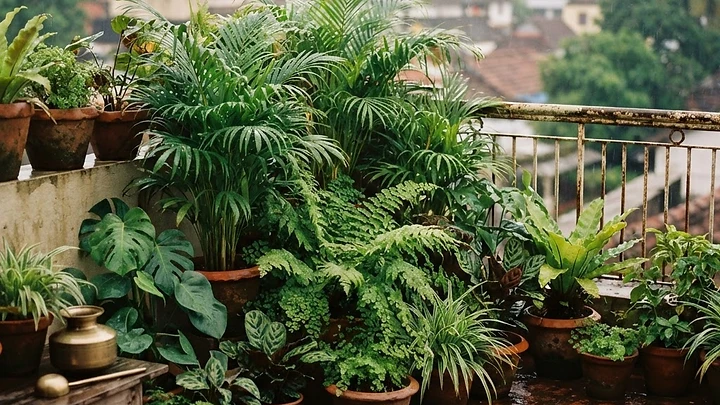
Understanding India's climate zones
India is not one climate. It is many. Hyderabad sits in a semi-arid zone with hot, dry summers and a short but intense monsoon. Mumbai is humid and coastal. Bangalore is mild and elevated. Delhi swings from freezing winters to scorching summers. A plant that thrives in one city may struggle in another just a few hundred kilometres away.
Before choosing plants, understand your specific conditions. What is the peak summer temperature? How long does the monsoon last? Is the air dry or humid? Does the space get wind, reflected heat, or shade? These factors determine which plants will thrive and which will merely survive.
The good news is that Indian climates, for all their intensity, are incredibly generous to plants. The warmth means year-round growth. The monsoon brings a season of explosive green. The key is choosing plants that are adapted to these rhythms rather than fighting against them.
Heat-tolerant heroes
When temperatures climb above 40 degrees, most plants retreat. But some plants come alive. These are the heat-tolerant heroes that not only survive Indian summers but look beautiful through them.
Bougainvillea is the quintessential Indian plant. It loves full sun, tolerates drought, and covers walls in colour through the hottest months. Plumeria, or the temple tree, drops its leaves in winter and flowers through the heat. Lantana handles reflected heat and attracts butterflies. For structure, neem and peepal trees provide shade and presence in larger spaces.
For balconies and terraces, succulents and cacti are natural choices. They store water in their leaves and stems, tolerate neglect, and come in extraordinary forms. Agave, aloe, and jade plants are all excellent for hot, dry conditions. They need little water and reward placement with sculptural beauty.
Monsoon-ready plants
The monsoon transforms Indian gardens. After months of heat, the rain brings a rush of growth and green. But it also brings challenges: waterlogged soil, fungal infections, and plants that rot in standing water.
Choose plants that handle heavy rain by ensuring excellent drainage. Terra cotta pots with drainage holes are essential. Elevate pots slightly so water does not pool beneath them. For plants that dislike wet feet, move them under cover during the heaviest rains.
Plants that love the monsoon include ferns, which explode with new growth in the humidity, and gingers, which flower through the rains. Turmeric and ginger grow vigorously in wet, warm conditions. For ornamental beauty, cannas and rain lilies bloom in response to the first heavy rains, as if the garden has been waiting for them.
Indoor plants for Indian homes
Indoors, Indian homes have specific conditions. Many apartments have limited natural light, air conditioning that dries the air, and ceilings that trap heat. The best indoor plants for Indian homes are ones that tolerate these conditions while cleaning the air and looking beautiful.
Snake plants are nearly indestructible. They tolerate low light, irregular watering, and dry air. They also release oxygen at night, making them ideal for bedrooms. ZZ plants are equally tough, with glossy leaves that look good in any light. Pothos grows in water or soil, in bright or dim light, and trails beautifully from shelves.
For brighter spots, areca palms bring a tropical feel and humidify the air. Peace lilies flower in moderate light and are among the best air-purifying plants. Rubber plants grow into striking indoor trees and tolerate Indian indoor conditions well. All of these are readily available across India and affordable to replace if needed.
Seasonal care through the year
In India, the seasons dictate the rhythm of plant care. Summer is about protection: shade sensitive plants, water deeply in the early morning or late evening, and mulch the soil to retain moisture. The monsoon is about drainage: ensure pots do not sit in water, watch for fungal growth, and reduce watering since the rain provides much of what plants need.
Winter is the quiet season. Growth slows, and many plants need less water. This is the time to prune, repot, and prepare for the spring flush. In mild climates like Bangalore, winter is barely felt and plants continue growing. In Delhi and the north, tender plants may need to come indoors.
The most important thing is to observe your plants through the seasons. They will tell you what they need. Leaves that curl in summer are asking for shade or water. Yellowing in the monsoon may mean too much water. New growth in spring means the plant is happy. Listen to them, and they will thrive in any Indian climate.
Keep exploring
Frequently asked questions
Stay close to nature
Letters on living with nature, occasionally in your inbox.




Come closer
Let us bring nature closer to your space.
Tell us about your home, your terrace, your office, and how you would like it to feel.