
Designing a terrace for everyday living
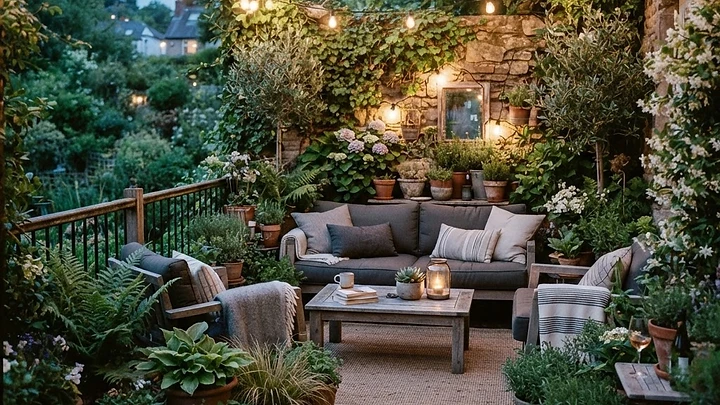
A terrace is a room without walls
Too often, a terrace is treated as a leftover space. A place to dry clothes, store water tanks, or keep the odd pot plant. But a terrace is a room. It is a room without walls, open to the sky, with its own light, its own air, and its own character. When you treat it with the same care as any room inside, it becomes the best room in the house.
The first shift is in how you think about it. Stop calling it the terrace and start calling it the room outside. What would you do in a room? You would sit in it, eat in it, read in it, share it with people. A terrace designed for everyday living is a terrace designed for these activities, not for storage.
This does not mean filling it with furniture and plants. It means giving it purpose. A place to sit. A place to eat. A place to garden. A place to do nothing at all. When a terrace has purpose, it gets used. When it gets used, it comes alive.
Map the sun and shade
Before you place anything on a terrace, understand its microclimate. Where does the sun fall in the morning? Where is it unbearable at noon? Where does shade appear in the afternoon? A terrace in Hyderabad can be intensely hot for six hours a day and beautiful for the other six. Designing for the beautiful hours is the key to a terrace that gets used.
Create shade where the sun is harshest. A pergola, a sail, or even a large plant in a tall planter can create a pocket of shade that makes a corner usable through the day. Position seating in the shade, not in the sun. A terrace where you can only sit after sunset is a terrace you will rarely use.
Remember that shade moves. A spot that is shaded in the morning may be in full sun by afternoon. Map the shade through the day and place your seating, dining, and lounging areas in the spots that are shaded when you want to use them. Morning coffee in the east shade, evening dinner in the west shade.
Create zones
A terrace that tries to be everything everywhere ends up being nothing anywhere. Instead, divide the space into zones, each with a purpose. A seating zone with comfortable chairs. A dining zone with a table and enough light. A garden zone with plants and planters. A quiet zone with a single chair and a view.
Zones do not need walls. A change in flooring, a row of planters, a rug, or a shift in ceiling height can define a zone as clearly as a wall. The goal is to create distinct areas that the eye reads as separate, so the terrace feels like a space with rooms rather than a single, undifferentiated surface.
Keep the zones flexible. A dining table that can be moved to the shade, chairs that can be rearranged for conversation or solitude, planters that can be repositioned as plants grow. A terrace that adapts to how you want to use it is a terrace that gets used every day.
Choose materials that age well
Terrace materials face sun, rain, and wind every day. Choose materials that not only survive these conditions but look better with time. Materials that age gracefully develop a patina that makes the terrace feel lived-in and loved rather than new and sterile.
Warm wood, like teak or acacia, develops a silvery patina in the sun and rain that is more beautiful than the original finish. Natural stone, like sandstone or limestone, stays cool underfoot in the heat and weathers into soft, muted tones. Terracotta planters breathe, age, and develop moss in the monsoon that adds character.
Avoid materials that degrade in sun: plastics that become brittle, metals that get too hot to touch, and finishes that peel. Choose materials that are honest about their age, and the terrace will look better in five years than it does on the day it is finished.
Plants that handle the heat
Terrace plants live in the harshest conditions in any home. Full sun, reflected heat from the floor, wind, and rapid water evaporation. Choose plants that not only survive these conditions but look beautiful through them.
For structure and shade, consider small trees in large planters. Frangipani, with its sculptural form and fragrant flowers, is ideal for terraces. Champa and bougainvillea handle full sun and bring colour through the hottest months. For ground-cover and softer planting, lantana, portulaca, and vinca flower prolifically in heat and need little water.
Group plants by water need. Put thirsty plants together so they can be watered as a group, and drought-tolerant plants together so they can be left alone. Mulch the soil in every pot to retain moisture and keep roots cool. And water deeply, not frequently. A deep soak once every few days is better than a shallow sprinkle every day.
Make it a place you return to
The ultimate test of a terrace is simple. Do you go there? Not because you have to, but because you want to. A terrace that is designed for everyday living is a terrace that calls you outside. Morning coffee, an afternoon read, an evening meal under the sky.
Make it comfortable. Cushions that are soft and weather-resistant. Lighting that is warm and low, not bright and clinical. A sound, whether it is wind through grasses or water from a small fountain. A smell, whether it is jasmine in the evening or rain on hot stone. Engage all the senses, and the terrace becomes a place you return to not because it is there, but because it feels good to be there.
A terrace is the most generous space in any home. It gives you sky, air, light, and a connection to the world outside your walls. Treat it as a room, design it with care, and it will give back more than any room inside.
Keep exploring
Frequently asked questions
Stay close to nature
Letters on living with nature, occasionally in your inbox.



Come closer
Let us bring nature closer to your space.
Tell us about your home, your terrace, your office, and how you would like it to feel.