
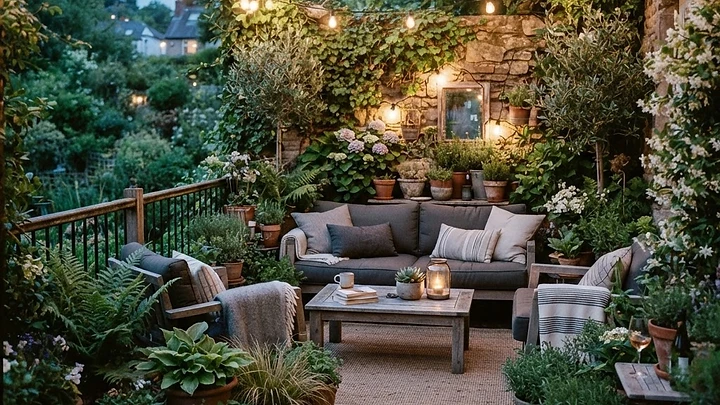
The garden in the sky
A rooftop is the most underused space in most buildings. It sits empty, collecting water tanks and satellite dishes, when it could be a garden, a living room, a place to watch the sunset. In Indian cities, where space is scarce and ground-level gardens are rare, the rooftop is the greatest opportunity for creating a green, outdoor living space.
Rooftop gardening has unique challenges, weight, wind, heat, and waterproofing, but it also has unique advantages. Full sun, open sky, and a panoramic view. A well-designed rooftop garden is not just a garden. It is a room without walls, a place that changes how you feel about your entire home.
Structural considerations
Before building a rooftop garden, you must ensure the structure can support it. Soil, water, and plants are heavy. Wet soil weighs about 100 kg per square foot at 30 cm depth. This is not a concern for most modern buildings, but older structures may need reinforcement. Consult a structural engineer before beginning.
Use lightweight solutions where possible. Lightweight potting mix instead of garden soil. Raised beds with adequate drainage. Large planters placed over load-bearing walls rather than in the middle of the span. Ensure the rooftop is properly waterproofed before adding any garden, as trapped water can damage the structure below. A root barrier and drainage layer beneath the soil are essential for any in-ground rooftop garden.
Dealing with wind and heat
Rooftops are windy, and wind is harder on plants than sun. It dries the soil, breaks stems, and tears leaves. Install windbreaks using trellises, screens, or tall planters along the windward edge. Choose wind-tolerant plants. Grasses, succulents, and low, spreading plants handle wind better than tall, upright plants.
Rooftop heat is intense, amplified by reflected radiation from the floor. Choose heat-tolerant plants like bougainvillea, frangipani, lantana, and succulents. Mulch the soil heavily to keep roots cool. Provide shade with a pergola or sail, especially over seating areas. Water deeply and consistently, as rooftop pots dry out faster than ground-level pots. The combination of wind and heat makes rooftop gardening challenging, but the right plant choices and protection make it manageable.
Creating the space
A rooftop garden should be designed as a room, with zones for different activities. A seating zone with comfortable furniture. A garden zone with plants and planters. A dining zone with a table. The zones do not need walls. A change in flooring, a row of planters, or a shift in ceiling height can define them.
Use materials that age gracefully. Teak or acacia wood for furniture and decking. Stone or terracotta for planters. Natural fibres for cushions and rugs. These materials develop a patina that makes the rooftop feel lived-in and loved. Add lighting for the evening, warm and low, not bright and clinical. A rooftop garden that is designed as a room becomes a place you return to, not just a place you visit.
Keep exploring
Frequently asked questions
Stay close to nature
Letters on living with nature, occasionally in your inbox.



Come closer
Let us bring nature closer to your space.
Tell us about your home, your terrace, your office, and how you would like it to feel.