
Designing calm into everyday spaces
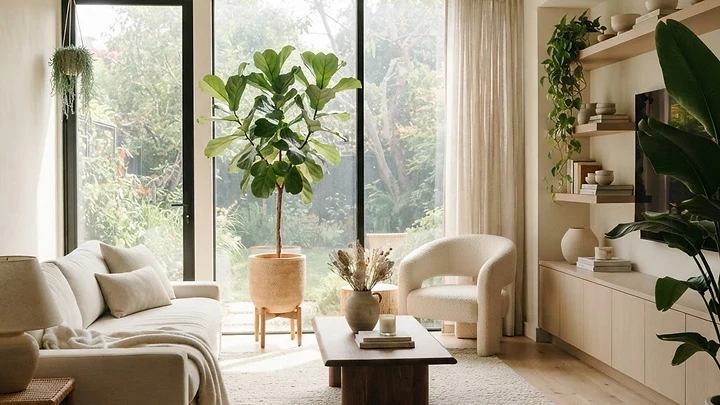
Calm is not empty
There is a common idea that calm spaces are minimal spaces, that to create calm you must remove everything until only the essentials remain. But calm is not the absence of things.
A room with a single chair and bare walls can feel cold, not calm. A room with a comfortable seat, a soft rug, a plant that catches the morning light, and a window that opens to the sound of leaves can feel deeply calm.
Start with what you remove
Before you add anything, look at what is already there. Calm design begins with editing. Walk through your space and notice what you no longer see.
Remove what does not serve a purpose or bring you pleasure. Pay attention to surfaces. Cluttered surfaces create visual noise that the mind registers even when it does not consciously notice it.
Natural materials, natural light
The materials in a calm space should feel like they came from the earth, because they did. Warm wood, natural stone, unglazed clay, linen, cotton.
Light matters as much as material. A room lit only by a ceiling tube light feels flat and clinical. A room with a window that lets in daylight, a lamp that warms a corner, and a surface that catches and softens the light feels alive and calm at once.
The role of plants
Plants do something no other design element can. They are alive. They change through the day and through the seasons. They soften hard edges, filter light, and bring a quality of movement that a static object never could.
You do not need many. A single, well-placed plant can transform a corner. The key is placement. Put plants where light falls and where your eye naturally rests.
Rhythm and repetition
Calm spaces have a rhythm. The same wood tone appears in the floor and the shelf. The same linen drapes the window and covers the cushion. Repetition is not boring. It is what makes a space feel intentional and whole.
This is the essence of calm design. Not less, but more considered. Not empty, but intentional. Not silent, but quiet in a way that lets you hear yourself think.
Keep exploring
Frequently asked questions
Stay close to nature
Letters on living with nature, occasionally in your inbox.



Come closer
Let us bring nature closer to your space.
Tell us about your home, your terrace, your office, and how you would like it to feel.