
The forgotten sense
When we design spaces, we think about what they look like and how they function. We rarely think about what they sound like. But sound shapes our experience of a space as much as light or colour. The hum of air conditioning, the buzz of fluorescent lights, the traffic from the street. These sounds create a baseline of stress that we stop noticing but never stop feeling.
Natural sounds do the opposite. The sound of water over stone. The rustle of leaves in the wind. The chirp of a bird. These sounds calm the nervous system, mask unwanted noise, and create a sense of being in a natural environment. Bringing nature sounds into the home is one of the most effective and most overlooked ways to create a calm, restful space.
Water: the most calming sound
Water is the most calming natural sound. The gentle trickle of a stream, the soft splash of a fountain, the rhythmic patter of rain. These sounds have been shown to lower heart rate, reduce stress hormones, and improve sleep. A water feature in the home brings this calming sound into daily life.
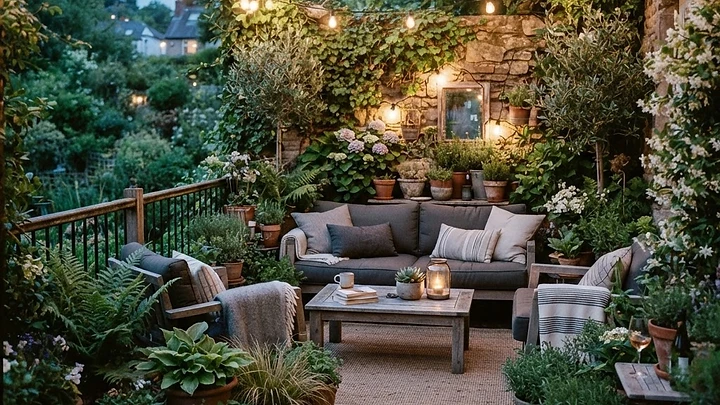
A small tabletop fountain is the simplest option. It is affordable, easy to maintain, and can be placed anywhere. Choose one with a gentle, adjustable flow. The water should sound like a quiet stream, not a rushing tap. A wall-mounted water feature is more dramatic and creates a visual as well as an auditory focal point. For outdoor spaces, a larger fountain or a small pond with a pump creates a more immersive water sound. The key is to choose a sound that is gentle and continuous, not loud or intermittent.
Wind and plants
Plants themselves create sound, though it is subtle. Bamboo is the most audible plant. When the wind passes through bamboo, the canes knock together with a gentle, hollow clack that is instantly calming. This is why bamboo is planted near seats in Japanese gardens, not for its appearance but for its sound.
Ornamental grasses like pennisetum and miscanthus rustle in the slightest breeze, creating a soft, whispering sound. Broad-leafed plants like philodendron and monstera whisper when their leaves move. These sounds are not loud, but they are present, and they create a gentle, natural soundscape that changes with the wind. Plant these sound-making plants where the wind reaches them and where you can hear them from a seat or a window.
Wind chimes and birds
Wind chimes add a musical element to the natural soundscape. Choose chimes with a deep, resonant tone rather than a high, tinkling one. Bamboo chimes have a warm, hollow sound that is more natural than metal chimes. Hang them where the wind reaches them, but not so close to a window that they disturb sleep.
Birdsong is the most complex and most joyful natural sound. Attract birds to your garden or balcony with flowering plants, a water source, and nesting opportunities. Even a small balcony can attract birds with the right plants and a shallow dish of water. The sound of birdsong in the morning changes the quality of the entire day. Together, water, wind, and birds create a natural soundscape that no artificial sound system can replicate, and they do it with a beauty that is always changing and always alive.
Keep exploring
Frequently asked questions
Stay close to nature
Letters on living with nature, occasionally in your inbox.


Come closer
Let us bring nature closer to your space.
Tell us about your home, your terrace, your office, and how you would like it to feel.